Chemotherapy is one of the main methods of systemic treatment of cancer. It acts throughout the body and aims to stop the growth of cancer cells, slow down their multiplication, or destroy them completely. In the case of breast cancer, it is often administered before surgery (known as neoadjuvant therapy), where it can help shrink the tumour, or after surgery (known as adjuvant therapy), where its purpose is to remove any microscopic tumour deposits and reduce the risk of recurrence.
At Proton Therapy Center, chemotherapy is planned based on the recommendations of a multidisciplinary team. In each case, we strive to make the treatment as effective as possible and, at the same time, as well tolerated as possible.
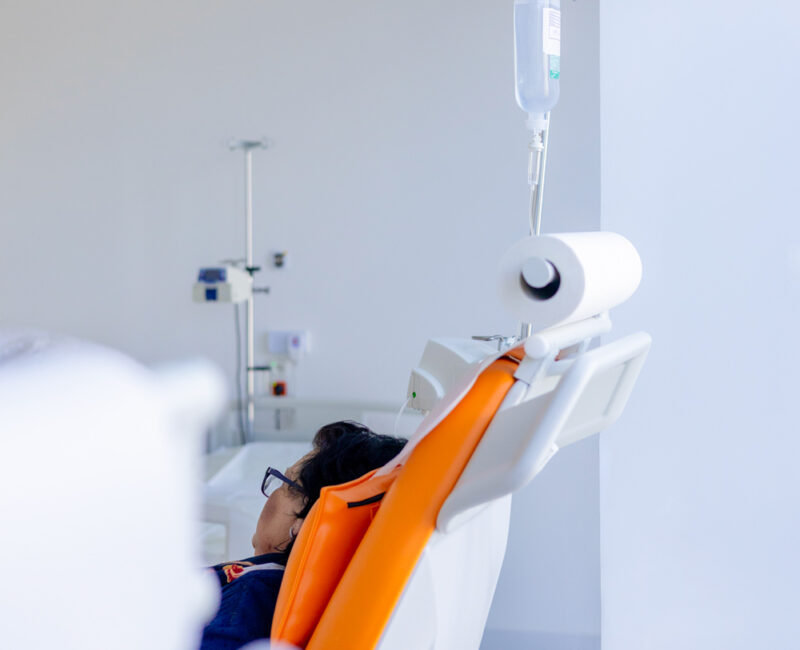
Chemotherapy is most often administered intravenously in the form of an infusion. The duration of administration depends on the type of regimen chosen and ranges from a few minutes to several hours. Most administrations take place on an outpatient basis, in an environment designed for the peace and comfort of patients – in a so-called day care center.
Each administration is:
Concerns about the side effects of chemotherapy are common and understandable. Patients most often mention hair loss, nausea, or vomiting. However, current cancer treatments offer a range of options to alleviate or prevent these undesirable effects.
Modern supportive medications (called antiemetics) are highly effective today. Most patients describe their fears of nausea as being significantly worse than the actual experience.
Fatigue is a common but manageable symptom. It helps to establish a realistic daily routine, take regular rest, and adjust physical activity according to your current condition.
We regularly monitor blood values during treatment. If necessary, we administer supportive medications to stimulate blood formation, which reduces the risk of complications.
Some regimens may cause temporary hair loss. At Proton Therapy center, we offer the option of using a Paxman cooling cap, which significantly reduces the risk of hair loss. Details about this method can be found below.
We inform patients about possible changes and recommend appropriate dietary adjustments.
The goal is not only to administer treatment, but to guide the patient through the entire process safely and with respect for all her needs—both physical and psychological.
No complicated preparation is necessary for chemotherapy. We recommend comfortable clothing, a light meal before arrival, and bringing fluids with you.
Chemotherapy is usually administered in several cycles, one to three weeks apart. During these intervals, the body regenerates and restores healthy cells.
Each patient experiences treatment individually – while some need more rest, others continue their normal activities. Reactions may also vary between cycles.
Your doctor will discuss the treatment plan with you in advance – what medications you will receive, what their desired and undesired effects may be, and how you will deal with them. Individual chemotherapy cycles may be adjusted during treatment according to your current condition, especially based on laboratory results.
You will remain in contact with our team between cycles. We perform regular check-ups and monitor your blood count and overall health.

Breast cancer treatment today is highly individualized and its form is determined by the type of tumour, its biological characteristics, and the patient’s overall health. Chemotherapy is one of the key tools in breast cancer treatment, but it is by no means the only one. Treatment also includes surgery, hormone therapy, biological therapy, and radiation therapy.
Before surgery (neoadjuvant therapy)
It helps shrink the tumour, making surgery easier. In some cases, it can allow for a less invasive surgery.
After surgery (adjuvant treatment)
The aim is to remove any microscopic deposits of tumour cells and reduce the risk of recurrence.
In more advanced forms of the disease
In these cases, chemotherapy can slow the progression of the disease, alleviate symptoms, and prolong the quality of life.

Hair loss is one of the side effects of some types of chemotherapy. For many women, this is one of the most difficult moments of treatment – the moment when the disease becomes visible to others. Today, however, there is a method that can significantly mitigate this impact.
At Proton Therapy Center, we offer patients the option of using the Paxman cooling cap – a proven system that helps reduce the risk of hair loss during chemotherapy. Read more here.
The cooling cap slows down blood flow to the scalp during chemotherapy. This reduces the amount of cytostatic drugs that reach the hair roots, thereby reducing the risk of damage. It is safe, non-invasive, and requires no special preparation.
Most patients describe the first application of the cap as a cooling sensation, which they get used to within a few minutes. The entire process takes place in a calm environment, with the support of trained staff.
For many women, preserving their hair during treatment has a significant psychological impact. It can reduce stress, promote a sense of control over the situation, and facilitate social contact. The Paxman system is therefore an integral part of our efforts to provide a comprehensive and sensitive approach to treatment and maintain your quality of life even during treatment.
Patients are entitled to a contribution of several thousand crowns from their health insurance company for oncological care. More information can be found here. Please check the current terms and conditions with your health insurance company!